Financial Literacy and Entrepreneurship Educator, Waithaka Gatumia says many Kenyans are struggling with debt and neglecting savings, warning that financial habits are worsening despite increased access to credit.
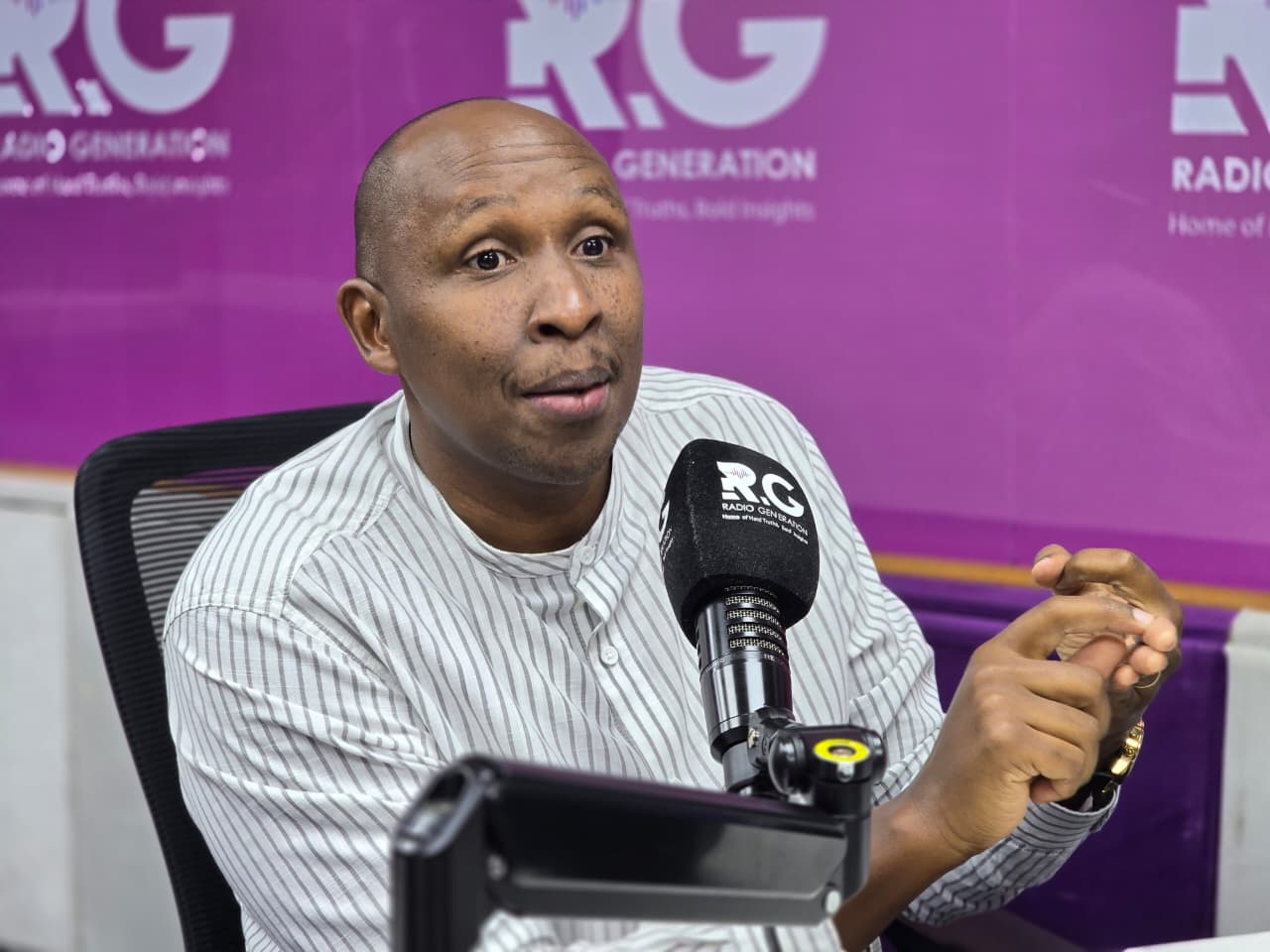
In a Radio Generation interview on Thursday, he emphasised the need for financial literacy, disciplined saving, and responsible borrowing, describing debt as a good servant, but a terrible master when misused.
“Kenyans are saving. How do I know this? Have you not seen the growth of SACCOs? Have you not seen the growth of banks, lending institutions?” he said, adding that these trends point to “a lot more financial inclusivity.”
However, he noted that the system is structured in a way that encourages borrowing. “The system is designed to allow for credit to flow,” he said, warning that without proper financial education, many individuals misuse credit facilities.
Gatumia described debt as a double-edged sword. “Debt is like fire, it’s a good servant, but a terrible master,” he said. “Debt can build or it can destroy, depending on how you use it.”
He explained that the main problem lies in how people use borrowed money, noting that many are taking loans for consumption rather than investment. “We are borrowing to live life today, we are borrowing for something that will never come back to us,” he said.
According to Gatumia, borrowing for non-productive expenses makes it difficult for individuals to repay loans, pushing them further into financial distress. In contrast, he said credit can be beneficial when used to generate income.
“If I borrow some cash and I sell them at a higher price, I come and repay you and have something on top of that,” he explained, describing how debt can support business growth when used responsibly.
The discussion also touched on the risks associated with savings and investment platforms, including SACCOs and other financial institutions. He cautioned that no investment is without risk and urged Kenyans to diversify their savings.
“Don’t put all your eggs in one basket,” he said. “Even banks and SACCOs fail.”
He advised individuals to spread their savings across multiple platforms, including banks, SACCOs and money market funds, to reduce exposure to risk.
The financial educator also stressed the need for individuals to actively monitor their investments rather than leaving decisions entirely to institutions. He pointed out that many people fail to engage with the organisations managing their money.
“If you’re putting your money in a SACCO, please hold them accountable, look at the books,” he said, adding that savers should attend meetings and ask questions about how their funds are being managed.
Beyond investment choices, Gatumia highlighted a broader issue with financial priorities, arguing that saving and investing are often treated as an afterthought.
“It is not a priority,” he said, describing how many people allocate income to taxes, expenses and social obligations before considering savings.
He urged a shift in mindset, encouraging individuals to prioritise their own financial security. “Pay yourself first,” he said, explaining that saving and investing should come before other expenditures.
“Paying yourself is when you save and you invest, because that money actually goes into your pocket,” he added.
Gatumia emphasised that building a strong savings culture requires discipline and intentional planning, warning that failure to do so could leave many financially vulnerable.
“So long as your personal finance is not a priority, you’re in trouble,” he said.
His remarks come amid growing concern over household debt levels and financial resilience, with many Kenyans grappling with rising living costs and economic uncertainty.
He concluded by urging individuals to take greater responsibility for their financial decisions, combining education, diversification and discipline to build long-term stability.